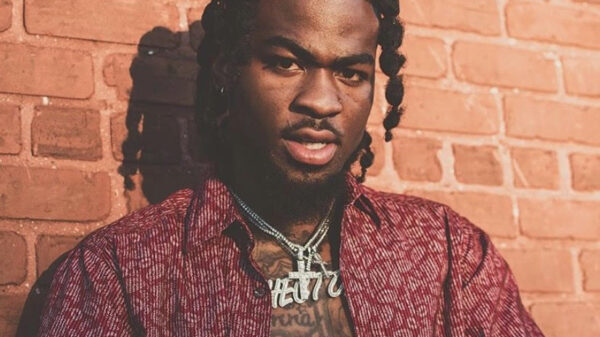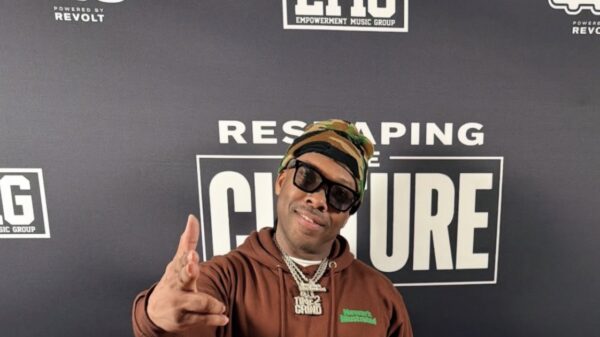






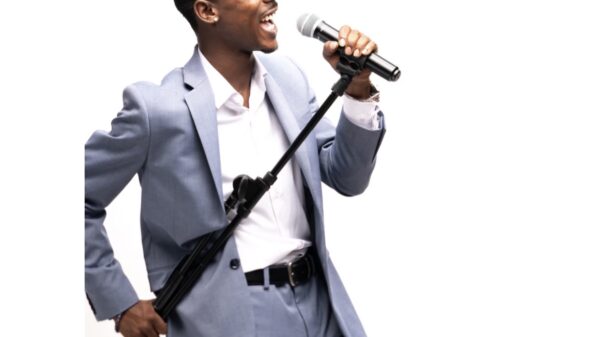





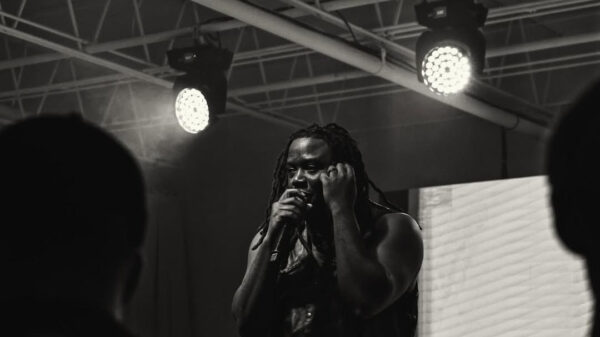

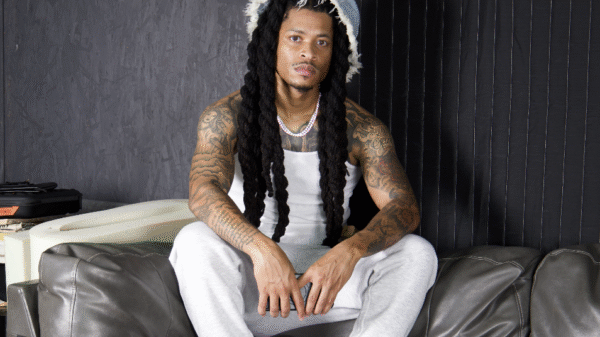






In the modern media landscape, the lines between culture, journalism, and influence are constantly shifting. Independent creators are no longer simply commentators—they are shaping narratives, challenging institutions, and redefining who gets to control the story. Few emerging figures embody that shift in the Washington D.C.–Maryland–Virginia region quite like Alahji301.
Once known primarily as a rapper navigating the local music scene, Alahji301 has evolved into something far more complex: an investigative journalist, cultural commentator, and community advocate whose work now resonates far beyond the DMV. In less than two years, his content has generated millions of views across social platforms, rapidly establishing him as one of the most recognizable independent voices documenting the realities of urban communities in the region.
But the story of Alahji301’s rise isn’t simply about viral clips or algorithm success. At its core, his emergence reflects a larger shift happening across media and culture—one where independent voices are challenging traditional gatekeepers and bringing uncomfortable truths directly to the public.
A Cultural Insider Turned Storyteller
Before stepping behind the camera as a journalist, Alahji301 spent years participating in the very culture he now documents. As a former rapper, he understood the dynamics of street credibility, artistic ambition, and the social realities that shape both.
That lived experience has become one of his greatest strengths.
Unlike traditional reporters who often approach communities from the outside looking in, Alahji301 speaks the language of the people he interviews. There is a familiarity in his tone, an understanding of nuance that allows conversations to unfold organically rather than feeling like interrogations.
In a region as culturally layered as the DMV, that authenticity matters.
The Washington metropolitan area has long been a national political hub, yet the everyday stories of its communities—particularly those in working-class neighborhoods—often remain underrepresented in mainstream media coverage. Alahji301’s platform fills that gap, offering a space where people can speak openly about issues ranging from street politics and systemic challenges to personal redemption and growth.

Journalism Without the Traditional Filter
One of the defining characteristics of Alahji301’s content is its rawness.
His interviews often take place in real-world environments rather than polished studio sets. Conversations are direct, sometimes uncomfortable, and frequently emotional. The result is a format that feels closer to lived reality than traditional broadcast journalism.
In an age where audiences increasingly distrust institutional media, this unfiltered approach has resonated deeply.
Viewers aren’t just watching interviews—they’re witnessing real dialogue between people who share a cultural context. Stories unfold with honesty rather than heavy editorial framing, allowing audiences to interpret events and perspectives for themselves.
This style places Alahji301 within a growing movement of independent journalists who are redefining the role of media in community storytelling. By removing layers of corporate oversight and editorial bureaucracy, creators like him are able to address topics that larger outlets sometimes avoid.
At the same time, that freedom comes with responsibility. Independent media figures operate without the infrastructure or institutional safeguards of traditional journalism, meaning credibility must be built directly with the audience.
For Alahji301, that credibility appears to stem from consistency and transparency.
The Rise of a Community Platform
What began as a series of conversations and commentary videos has gradually evolved into something much larger—a platform where individuals feel comfortable sharing stories that might otherwise go unheard.
Guests on his channel frequently speak about deeply personal experiences, including trauma, mistakes, redemption, and lessons learned. The tone often shifts from investigative to introspective, creating moments that feel less like interviews and more like open dialogue.
Some viewers have even described the experience of watching his content as therapeutic.
In communities where mental health resources and safe spaces for conversation can be limited, the act of simply being heard can hold profound significance. Alahji301’s ability to create that environment has become a key factor in the growth of his audience.
His platform doesn’t just report on the community—it invites the community into the conversation.
Rapid Growth in the Digital Age
In the fast-moving world of online media, momentum can be difficult to sustain. Algorithms shift, audiences migrate, and viral attention often fades as quickly as it appears.
Yet in under two years, Alahji301 has managed to convert attention into a growing, loyal audience across multiple platforms. His interviews and commentary clips regularly circulate across Instagram, YouTube, and other social media channels, generating millions of cumulative views.
That level of engagement has also attracted attention beyond the DMV region.
As his visibility increased, opportunities began to emerge in broader media spaces, including appearances as a commentator for TMZ, a platform known for covering high-profile stories in entertainment and pop culture.
Media, Power, and Narrative Control
The rise of independent journalists like Alahji301 also raises larger questions about media power and narrative control.
For decades, the gatekeepers of public discourse were major news organizations with the resources to shape national conversations. Today, a smartphone, a camera, and a dedicated audience can provide similar reach.
This democratization of media has both empowered communities and complicated the information ecosystem. On one hand, it allows voices from marginalized backgrounds to tell their own stories. On the other, it challenges audiences to navigate an increasingly decentralized flow of information.
Alahji301’s work exists at the center of that transformation.
His interviews often touch on issues that traditional outlets struggle to cover authentically—street-level conflicts, community tensions, and the social factors that influence them. By addressing these topics directly, he provides context that might otherwise remain hidden.
The Responsibility of a Growing Platform
With influence comes scrutiny, and Alahji301’s growing presence inevitably places him under greater public observation.
As his platform expands, so too does the responsibility that comes with shaping conversations about sensitive topics. Interviews discussing street dynamics, personal conflicts, or community issues require careful navigation to ensure that storytelling does not unintentionally amplify harm.
Balancing openness with responsibility is a challenge faced by many independent journalists.
However, it is also part of the maturation process that occurs when a creator transitions from content maker to media figure. Every conversation becomes part of a larger narrative, and the way those narratives are presented can influence how communities perceive themselves.
A Reflection of the DMV’s Voice
The DMV region has long been culturally influential despite often being overshadowed by larger entertainment hubs like New York, Atlanta, or Los Angeles. From music to activism to entrepreneurship, the area has produced voices that resonate far beyond its borders.
Alahji301’s rise reflects that tradition.
Through interviews, commentary, and investigative discussions, he is documenting stories in real time and helping shape the evolving media landscape for the region.
The Future of Independent Journalism
The trajectory of Alahji301’s career illustrates a broader shift in how journalism is evolving in the digital age.
Traditional newsrooms once served as the primary gatekeepers of information. Today, independent creators with strong community ties are emerging as powerful storytellers in their own right.
As independent media continues to expand, figures like Alahji301 represent a new generation of storytellers—individuals who blend cultural insight with journalistic instinct to create spaces where real conversations can happen.
Sometimes the most powerful journalism doesn’t come from massive studios or corporate offices.
Sometimes it comes from someone willing to stand in the middle of the community, ask honest questions, and listen long enough for the truth to be heard.